BONDING & FILLINGS

Seamless, natural-looking restorations for a beautiful smile.

Invisible Restorations

Tooth-Colored Fillings

Made of tooth-colored material, composite fillings return the teeth’s natural beauty. Composite fillings can be matched very closely to your natural tooth color and are virtually indistinguishable from non-restored teeth. The composites we use have proven to be extremely durable and stain resistant.

Tooth-colored fillings, which are made from durable plastics called composite resins, can substantially improve the beauty of your teeth. They are similar in color and texture to natural teeth, ultimately leaving them far less noticeable and far more attractive than traditional metal-based fillings. At Dental Health Associates, we use new and exciting techniques to fit dental fillings that look and act natural.

Advantages of Tooth-Colored Fillings

  • No more unsightly amalgam or silver fillings
  • Bonded to teeth securely by resin or porcelain
  • Creates a stronger, more natural-looking effect
  • Preserves more of the remaining healthy tooth structure
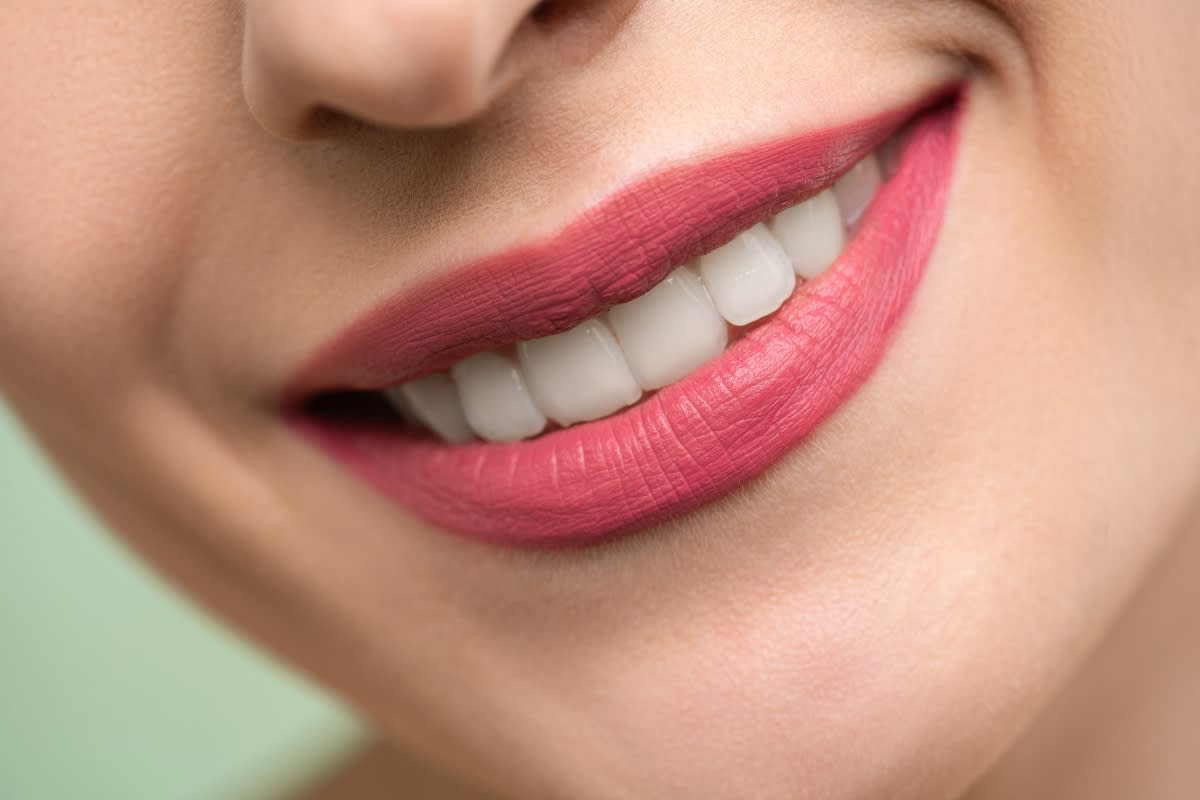
Beautiful, Natural Smile

Do I Need a Filling?

Fillings are placed to reconstruct teeth that have cavities. Keep in mind that some cavities can be symptom-free and do not cause any pain or discomfort. They may only be detected during a dental exam with X-rays; this is why it is important to schedule regular check-ups.

If you have been told you have a cavity, do not put off treatment. The longer you wait, the bigger the cavity can get and the more intensive dental treatment you will need.

*We recommend replacing old amalgam (silver) fillings only if there is a legitimate reason, such as decay under the filling or structural cracks.

The Treatment Process

  • 1

    Identification: We identify the affected area through a visual exam and X-rays, advising you on the best course of action based on the damage.

  • 2

    Preparation: The tooth decay is removed and the area is thoroughly cleaned to prepare for the restoration.

  • 3

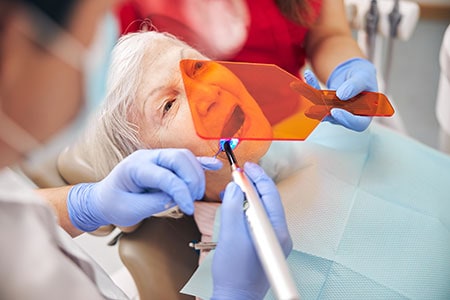
    Placement & Curing: A bonding agent and layers of composite material are applied. We use a special light to harden the material into place, closing off the space where bacteria can enter.

Filling Information

Tooth-Colored Fillings FAQs

Why did I get a cavity?

Almost all Americans get a cavity at some point, even those that brush and floss religiously. Sometimes bacteria and plaque accumulate in difficult-to-reach areas. The important thing is to get a filling as soon as a cavity is discovered.

Is the procedure painful?

Most patients experience little to no discomfort. A local anesthetic is used to numb the area. Because composite fillings require less tooth removal than amalgam fillings, the process is very conservative. Mild sensitivity after treatment is normal but fades quickly.

Are they strong enough for back teeth?

Yes, today’s composite resin and porcelain materials are durable enough for both front and back teeth. Modern composite fillings can withstand everyday bite force when properly placed.

How long do tooth-colored fillings last?

Resin fillings last several years before they start to erode. With digital images, your dentist can monitor the filling over time. After 5 to 10 years, you are likely to need a replacement to ensure your tooth stays protected.

Do composite fillings stain over time?

They are somewhat stain-resistant but not stain-proof. They can become discolored from repeated exposure to dark beverages (coffee, red wine) or tobacco. If a filling becomes noticeably stained, it may need to be polished or replaced for aesthetic reasons.

What happens if I procrastinate?

The longer a cavity goes untreated, the bigger it becomes. Past a certain point, a simple filling may no longer adequately protect your tooth. A root canal may be required, or in extreme cases, an extraction may become necessary.

Dental Bonding
Quick & Effective

Tooth Bonding

Tooth bonding in Sylvania is among the easiest and least expensive of cosmetic dental procedures. It can yield dramatic results in a single office visit.

The treatment involves applying a plastic or resin material to the portion of the tooth structure that shows most prominently when you smile. This material can be used to improve the tooth shape or size, or to conceal small dental imperfections. The results look very natural and can last for many years with the proper care and attention.

Cosmetic Objectives Achieved:

  • Close unsightly gaps
  • Repair chipped/cracked teeth
  • Straighten crooked teeth
  • Repair decayed teeth
  • Lighten stains on teeth
  • Make teeth look longer
The Process

Tooth Bonding Treatment Procedure

Dental bonding is popular and well tolerated because it is inexpensive, fast, and can be conveniently completed in a single appointment. There is minimal preparation needed and no anesthesia is required.

01.

Preparation

The gums are protected and a special phosphoric acid solution is applied to the surface of the natural teeth to gently etch or "rough up" the surface for a stronger bond.

02.

Application & Sculpting

A thin coating of putty-like resin is applied. It comes in shades to match your teeth perfectly. The material is sculpted to the desired shape to conceal imperfections or alter the tooth's size.

03.

Curing & Polishing

A high-intensity curing light hardens the material in seconds. Finally, the tooth surface is buffed and polished to give it a beautiful translucence indistinguishable from natural enamel.

Recovery and aftercare

What should I expect after bonding?

There’s no downtime or recovery needed. You can eat, drink, and enjoy normal activities immediately. Your tongue and lips may feel different, temporarily affecting your speech for a few hours.

Bonding Information

Tooth Bonding FAQs

Am I too old or young for tooth bonding?

There are no age requirements or limits. A child who chips a tooth qualifies for bonding to restore function and appearance. A senior may have bonding to close gaps posing a risk for cavities. The longevity depends on good hygiene and individual circumstances.

Is teeth bonding painful?

No, it typically does not cause pain. The material is adhered to the natural tooth structure and does not interact with the nerve inside the tooth. Anesthesia may be used for comfort, but is often completely unnecessary.

What are the benefits of tooth bonding?

It’s a cost-effective, versatile procedure that addresses severe discoloration, gaps, chips, and cracks. The process requires only one visit, is minimally invasive, and usually doesn’t require tooth reduction unlike crowns or veneers.

What are the risks or downsides?

The resin material may not resist stains as effectively as ceramic or porcelain. They also may not last quite as long as veneers (which can last 10-20 years), though many patients enjoy their bonding for up to 10 years with proper care. Avoid biting hard objects like pens or fingernails.